Intersections are the most dangerous conflict zones for urban cyclists. Learn how right-hook collisions happen, understand your right-of-way rights, and master defensive riding tactics to stay safe.
For daily bicycle commuters and recreational riders alike, navigating city streets requires constant vigilance. While many cyclists fear being rear-ended on open stretches of road, real-world crash statistics tell a different story: the vast majority of severe bicycle-motor vehicle collisions occur at intersections and driveway access points. Among these intersection hazards, none is more notorious or common than the dreaded “right-hook” crash.
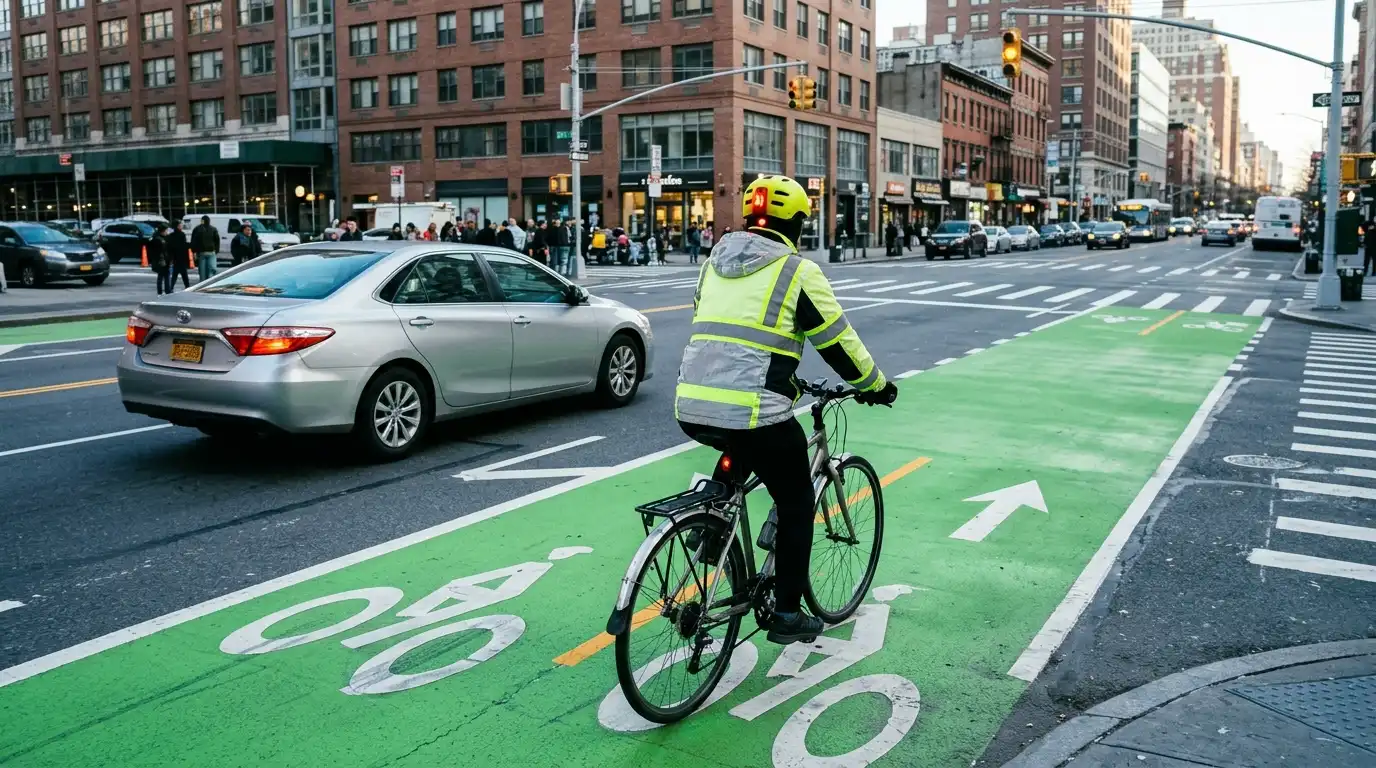
A right-hook collision happens when a motor vehicle passes a cyclist traveling in the same direction and then makes a sharp right turn directly across the cyclist’s path, cutting them off. Because motorists frequently misjudge a bicycle’s speed or fail to check their passenger-side blind spots before turning, the cyclist is left with zero time or space to stop. In this comprehensive guide on how to avoid right hook bicycle accident scenarios, we break down why these crashes happen, detail your statutory right-of-way protections, and outline proactive defensive riding strategies to protect your safety on the road.
Why Do Right-Hook Collisions Happen?
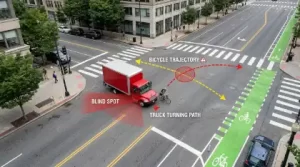
To prevent right-hook crashes, you must first understand the visual and psychological factors that lead drivers to make dangerous right turns across bike lanes:
- Passenger-Side Blind Spots: Vehicles—especially large SUVs, commercial vans, and heavy trucks—have significant blind spots along their front passenger side where a parallel cyclist completely disappears from view.
- Speed Misjudgment: Drivers frequently overestimate how slowly a cyclist is moving. A driver may see a cyclist 50 feet back and assume they have ample time to pass and turn, not realizing the rider is cruising at 18 to 22 mph.
- Inattentive Distracted Driving: Drivers preparing to turn right naturally focus their attention to the left to check for oncoming cross traffic, completely ignoring bike lanes or sidewalks running parallel on their right.
- Failure to Signal: Many motorists fail to engage their turn signals well in advance, leaving cyclists unaware that the vehicle ahead intends to execute a turn.
Understanding Right-of-Way Laws and Driver Liability
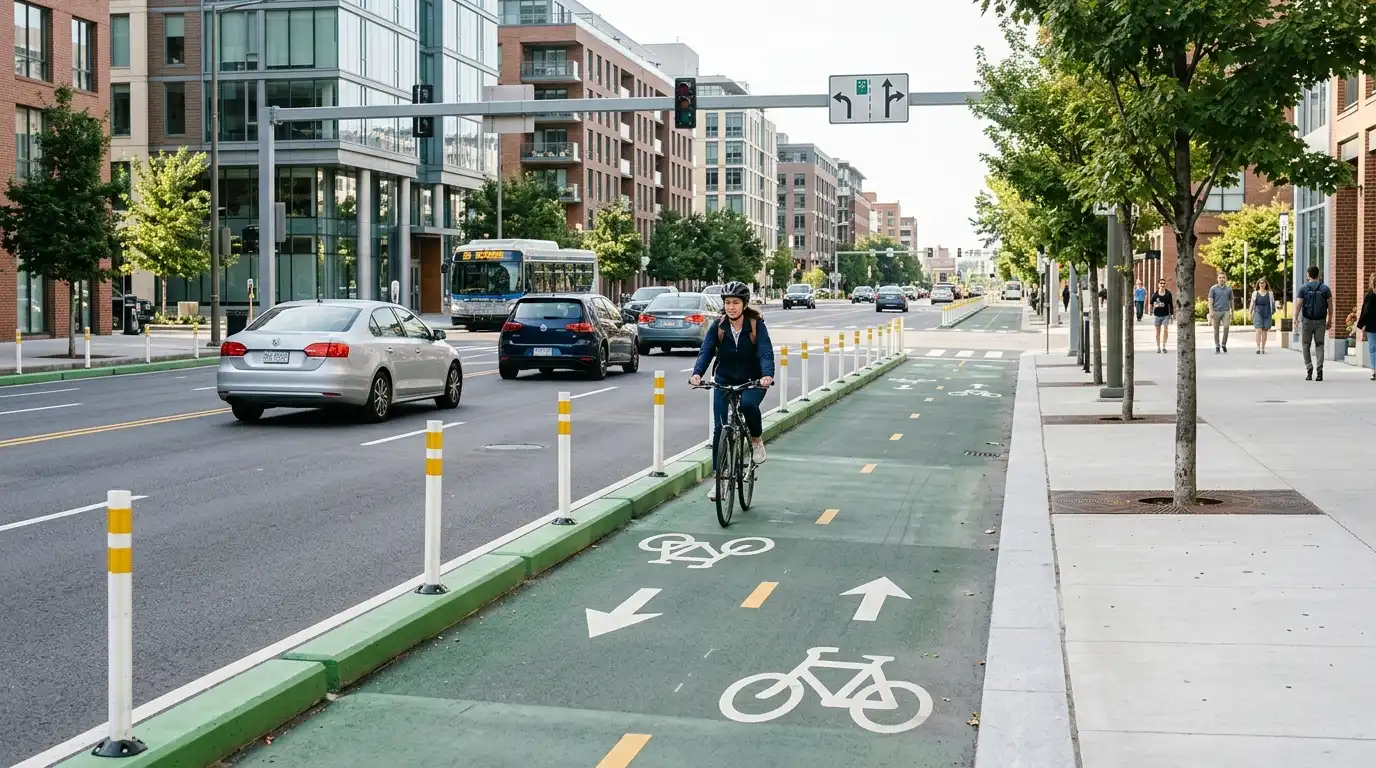
Under vehicle codes across most states, bicycles are legally classified as vehicles with the same rights and responsibilities on the roadway as automobiles. When a bike lane is present or when a cyclist is riding legally along the right edge of the road, turning vehicles are required by law to yield the right-of-way to straight-traveling bicycle traffic before merging across the lane.
Federal pedestrian and bicycle safety guidelines managed by the National Highway Traffic Safety Administration (NHTSA) emphasize that drivers must merge into the bike lane safely *before* turning, rather than turning directly across an active bicycle travel lane from an outside traffic lane. When a driver turns across an open bike lane and strikes a cyclist, the motorist is almost universally found liable for failing to yield right-of-way and making an illegal turn.
Defensive Riding Strategies: How to Avoid a Right Hook
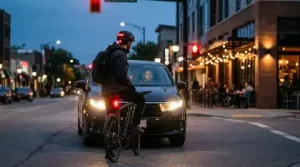
While traffic laws place legal liability on turning motorists, legal rights will not prevent physical injury. Adopting defensive riding habits keeps you out of dangerous conflict zones before a driver even initiates a turn:
- Never Ride in a Vehicle’s Blind Spot: If you are approaching an intersection alongside a car, truck, or bus, avoid lingering near the rear passenger door or rear quarter panel. Either drop back behind the vehicle or pass safely on the left side if traffic permits.
- Take the Lane When Approaching Intersections: As you get within 50 to 100 feet of an intersection, merge safely out of the far-right edge or bike lane into the center of the travel lane (if safe to do so). Occupying the center of the lane makes you fully visible in the driver’s main rearview mirror and prevents motorists from squeezing past you to turn right.
- Watch Front Wheels and Turn Signals: Do not rely solely on turn signals. Watch the front passenger tire of vehicles near you. If the tire begins angling toward the curb or bike lane, the driver is preparing to turn, regardless of whether their signal light is flashing.
- Exercise Extreme Caution Near Large Commercial Trucks: Large trucks require wide turning radiuses and often swing left into adjacent lanes before making a sharp right turn. Never attempt to pass a multi-axle truck or bus on the right near an intersection. Learn more about national infrastructure design standards for heavy vehicle conflict points through the National Association of City Transportation Officials (NACTO).
- Establish Eye Contact: Whenever possible, make direct eye contact with drivers waiting at side streets or sitting in turning lanes. Confirming that a driver has seen you significantly reduces unexpected vehicle maneuvers.
Comparison: High-Risk vs. Defensive Riding Behaviors
| Intersection Scenario | High-Risk Riding Habit | Proactive Defensive Strategy |
|---|---|---|
| Approaching Red Light | Squeezing along the right side of stopped cars. | Stop behind the primary vehicle or take control of the lane. |
| Riding Past Driveways | Hugging the curb tightly behind parked cars. | Maintain a straight, predictable line 3 feet from curb/doors. |
| Parallel Heavy Truck Traffic | Pacing alongside a large commercial truck. | Fall back behind the truck until past the conflict zone. |
| Dedicated Turn Lanes | Staying on the far right of a right-turn-only lane. | Move to the left side of the right-turn lane to go straight. |
What to Do If You Are Involved in a Right-Hook Crash
If you are struck by a turning vehicle despite your best defensive efforts, taking key legal and medical steps immediately following the incident is essential:
1. Call Law Enforcement and Demand a Police Report
Always request an official police response to the scene. Ensure the responding officer interviews you, examines the vehicle’s turn signal status, and records an official traffic collision report citing right-of-way violations.
2. Document the Scene and Driver Details
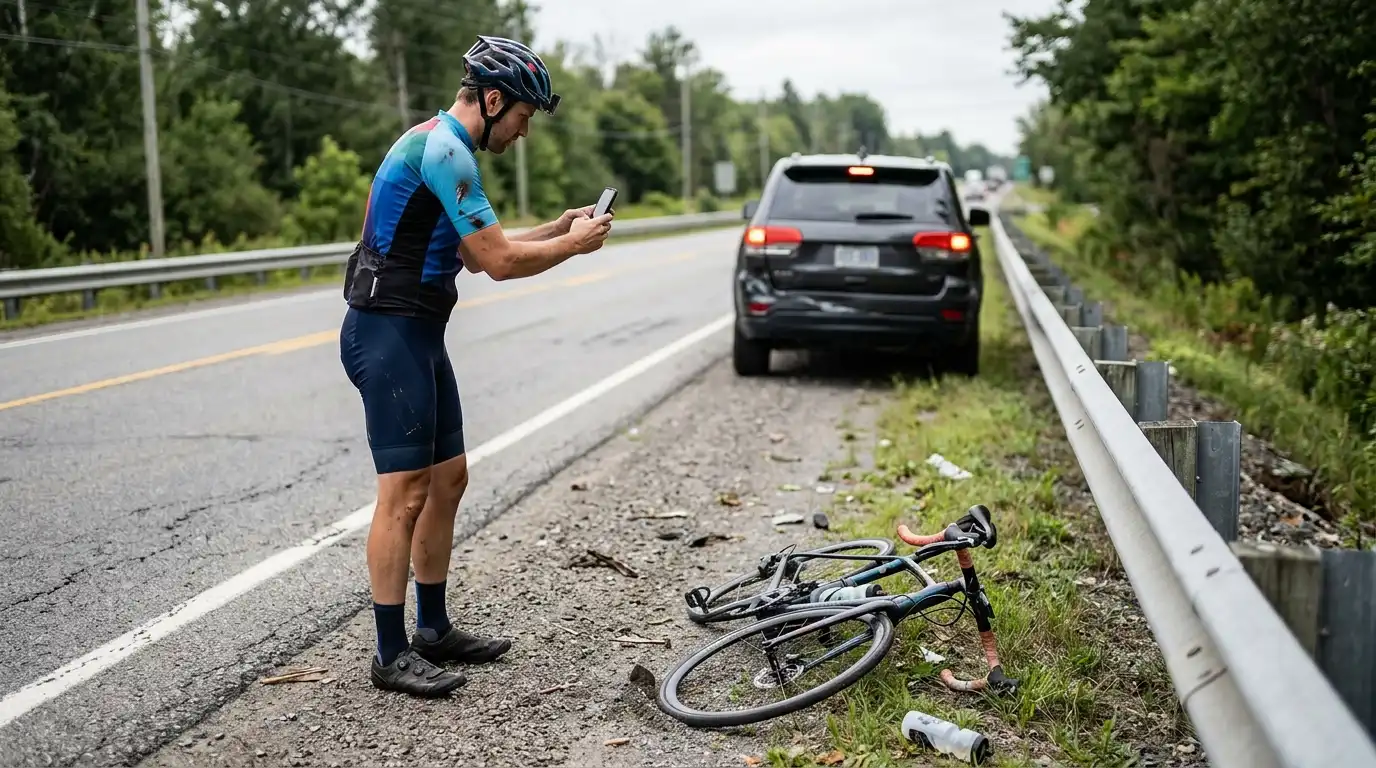
Use your phone to take high-resolution photographs of the vehicle’s position relative to the bike lane, physical damage to your bicycle, road markings, driver’s license plate, and insurance credentials.
3. Seek Immediate Medical Evaluation
Adrenaline often masks underlying injuries after an impact. Visit an urgent care facility or emergency room immediately to evaluate potential soft-tissue injuries, fractures, or concussions.
Final Thoughts
Right-hook collisions are among the most predictable and preventable hazards in urban commuting. By riding defensively, taking control of your travel lane when approaching busy intersections, and staying acutely aware of vehicle blind spots, you can confidently protect your safety every time you take to the road.