As cities across the globe expand their cycling networks, the debate surrounding infrastructure design has intensified. For decades, urban planners relied heavily on paint—demarcating bicycle lanes with a simple white stripe along the edge of existing roadways. However, as traffic volume and vehicle sizes increase, transportation researchers and advocates are asking a fundamental question: Is a layer of paint enough to keep cyclists safe?
Recent long-term traffic safety studies provide a definitive answer. While basic painted lanes offer some degree of organization on low-speed streets, physical separation—such as concrete curbs, flex posts, or parked-car buffers—delivers dramatic reductions in collisions and severe injuries. Comparing protected bike lanes with traditional painted lines reveals what the empirical data proves about road safety.
The Physics of Protection: Physical Barriers vs. Paint
The primary flaw of a standard painted bike lane is its total reliance on driver compliance. A painted line provides visual guidance, but it offers zero physical resistance against a motor vehicle drifting, turning, or parking illegally. On streets with speed limits exceeding 25 MPH, the speed and mass differential between passenger cars and cyclists creates an inherent safety hazard.
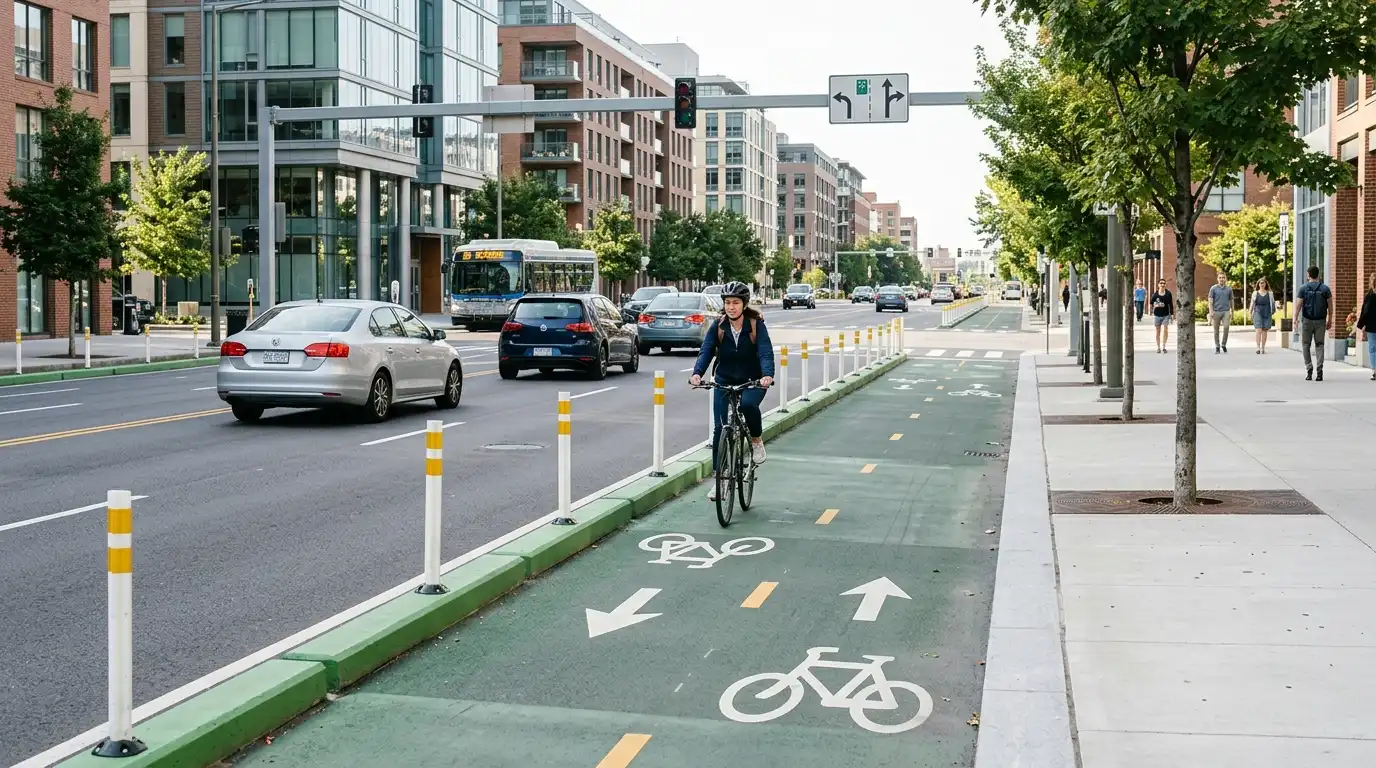
In contrast, protected bike lanes (often referred to as separated bikeways or cycle tracks) introduce a physical buffer between moving vehicle traffic and people on bicycles. Common separation methods include:
- Concrete Curbs and Planters: Rigid vertical barriers that physically block vehicles from entering the bicycle lane.
- Flexible Delineator Posts (Bollards): High-visibility vertical posts that signal clear lane boundaries and discourage illegal double-parking.
- Parking-Protected Buffers: Reconfiguring the street layout so that motor vehicle parking is placed to the left of the bike lane, using parked cars as a shield against moving traffic.
- Grade-Separated Paths: Raising the bike path above street level, creating a distinct elevation change between cyclists and drivers.
What the Safety Data Reveals
Multi-year studies evaluating thousands of urban corridors show clear evidence regarding crash outcomes across different types of cycling infrastructure.
1. Drastic Reductions in Fatalities and Injuries
A landmark 13-year study evaluating road safety across 12 major U.S. cities found that streets with protected bike lanes experienced a dramatic drop in fatal crash rates for all road users—including cyclists, pedestrians, and motor vehicle occupants. Researchers concluded that building physical protection for bike networks was one of the single most effective interventions for overall traffic safety.
Furthermore, safety research highlighted by the Federal Highway Administration (FHWA) demonstrates that converting standard, unbuffered bike lanes into separated bikeways using vertical delineators can reduce bicycle-vehicle collisions by up to 53 percent.
2. The Failure of Paint-Only Lanes on High-Speed Roads
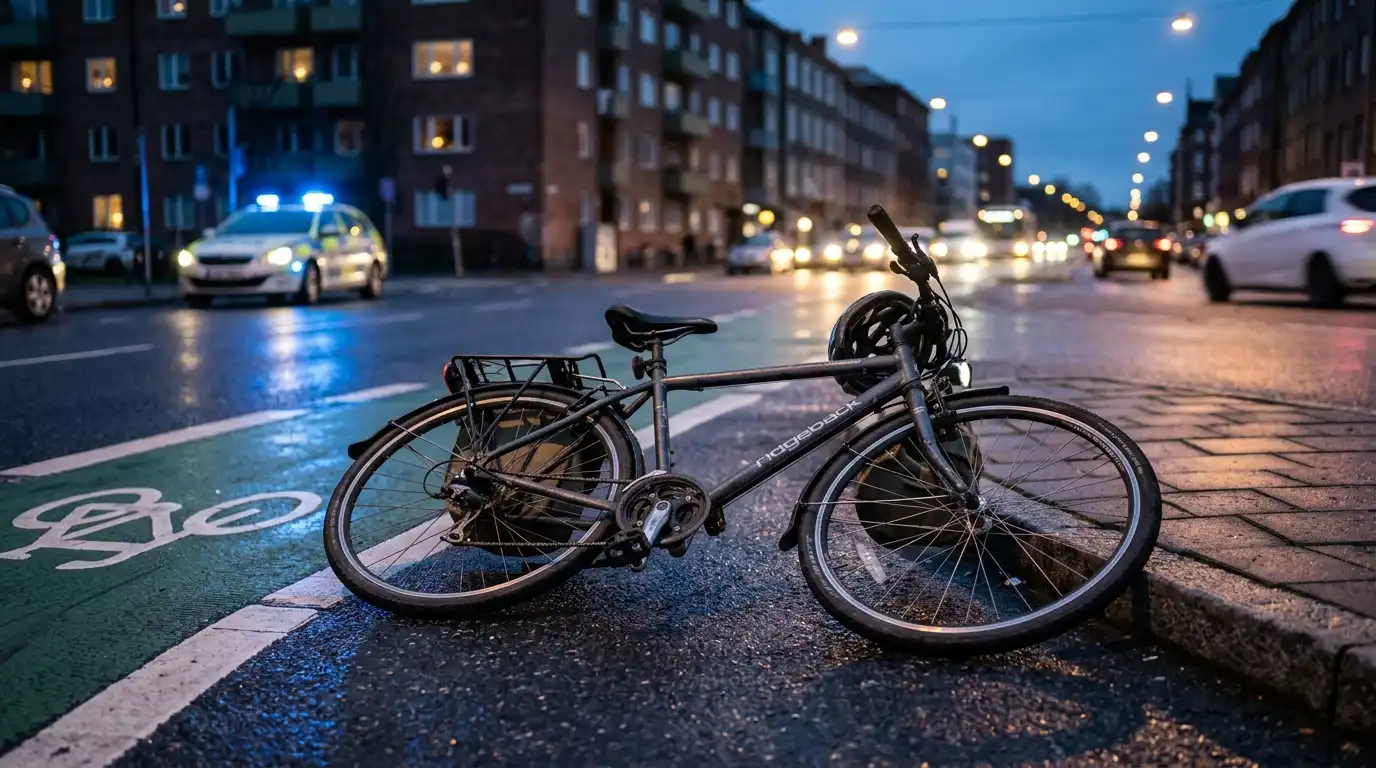
Emerging research underscores the limitations of paint on high-volume or high-speed corridors. Studies analyzing crash frequencies have indicated that paint-only bike lanes on busy, multi-lane roadways can sometimes yield negligible safety improvements—or even increase conflict points. Without a physical barrier, drivers frequently use painted bike lanes as turning channels, drop-off zones, or temporary parking spots, forcing cyclists to merge unexpectedly into heavy traffic lanes.
3. Eliminating “Dooring” and Sideswipe Incidents
Two of the most common urban bicycle accidents are sideswipe collisions from passing motorists and “dooring”—when an occupant of a parked car opens their door directly into a cyclist’s path. Properly designed protected bike lanes place a dedicated buffer zone between the parking lane and the cycle track, effectively eliminating the risk of dooring and preventing passing vehicles from clipping riders.
The “Safety in Numbers” Effect and Inclusivity
Beyond direct crash reduction, infrastructure choices directly influence who chooses to ride. Transportation surveys categorize the general public into four primary groups regarding cycling comfort: Strong and Fearless, Enthusiastic and Confident, Interested but Concerned, and No Way No How.
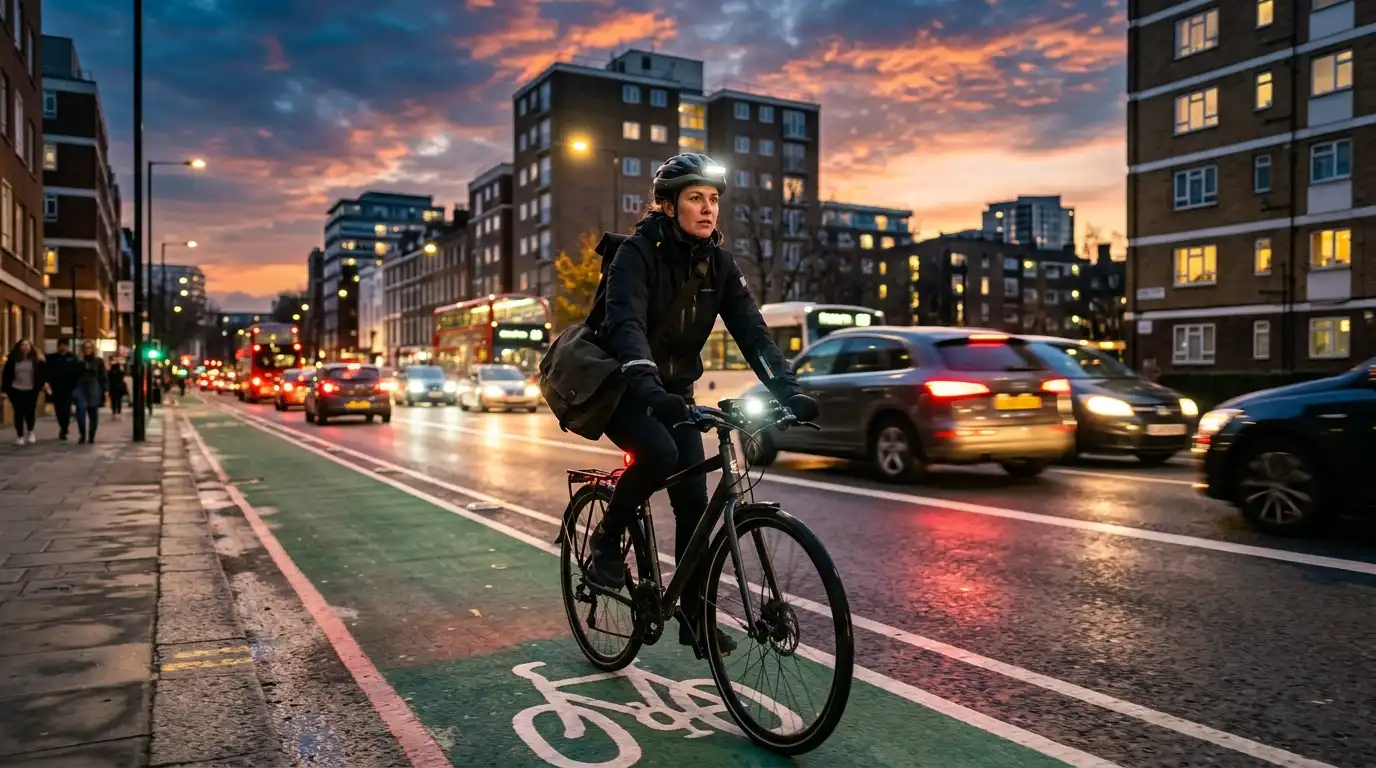
Paint-only lanes cater almost exclusively to the small “Enthusiastic and Confident” demographic—experienced riders who feel comfortable asserting lane position in traffic. However, the vast majority of the population falls under “Interested but Concerned.” These individuals report that they would ride for daily trips if they felt safe from vehicular traffic.
Data consistently shows that when cities install protected bike lanes:
- Ridership Spikes: Total bicycle volume increases significantly, often drawing new trips away from personal motor vehicles.
- Demographic Inclusion Shifts: More women, children, and older adults begin cycling regularly once physical separation is introduced.
- The Network Effect Takes Hold: Higher cycling volume increases general driver awareness, creating a safer overall environment across the transit network.
Intersection Design: The Crucial Safety Component
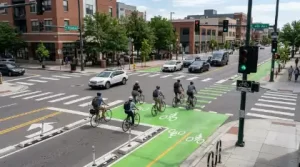 While physical separation along straight roadway segments resolves mid-block hazards, intersections remain the most critical conflict points. Data indicates that a significant portion of bicycle accidents occur when vehicles turn across a cyclist’s path at intersections or commercial driveways.
To maximize the protection offered by separated bike lanes, modern urban planners implement specialized intersection designs:
- Protected Intersections (Dutch Junctions): Curb islands extend into the intersection to physically force turning drivers to slow down and approach cyclists at a perpendicular 90-degree angle, maximizing driver visibility.
- Set-Back Crossing Lines: Moving the bicycle stop bar slightly backward gives turning drivers time to see and yield to straight-moving cyclists before completing a maneuver.
- Dedicated Signal Phasing: Traffic signals separate vehicle turn phases from cyclist green phases, eliminating conflict during turn movements entirely.
Advocating for Better Streets
The empirical data is unequivocal: painted lines are a stepping stone, but physical protection is the gold standard for road safety. While painted lanes may serve as cost-effective short-term measures on low-speed residential streets, arterial roads and urban corridors require hard infrastructure to protect vulnerable users.
Cyclists and community advocates can leverage crash statistics, municipal 311 reporting tools, and local urban planning hearings to urge city leaders to convert painted lanes into physically separated bikeways. By prioritizing data-backed infrastructure designs, communities can prevent severe collisions, protect riders of all ages, and build safer roads for everyone.